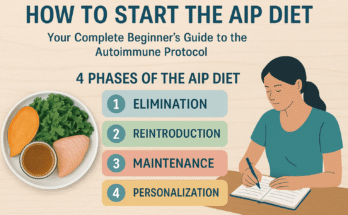
The hardest thing to start an AIP diet is adjusting to the major lifestyle and food changes that come with it. Starting the AIP diet can feel overwhelming, especially if you are new to restrictive eating plans. The Autoimmune Protocol (AIP) diet is designed to reduce inflammation, heal the gut, and support those struggling with autoimmune conditions. While the long-term benefits are powerful, many people find the early stages difficult. The hardest thing about starting an AIP diet often comes down to lifestyle changes, food restrictions, and emotional adjustments.
Understanding the AIP Diet
The AIP diet is an elimination diet that removes foods known to trigger inflammation or immune responses. It excludes grains, dairy, legumes, nightshades, processed foods, refined sugar, nuts, seeds, and eggs. Instead, it focuses on nutrient-dense whole foods like grass-fed meats, organ meats, seafood, fresh vegetables, fruits, and healing fats.
If you are new, you may want to start with a simple AIP Diet Guide that explains the elimination and reintroduction phases step by step.
This approach gives the gut time to repair and reduces flare-ups. However, the transition to such a restricted diet is not easy. For most people, the challenge isn’t just knowing what to eat but adjusting to the new way of living.
The Hardest Thing to Start an AIP Diet: Key Challanges
Letting Go of Favorite Foods
One of the most difficult steps is removing comfort foods. Many people rely on bread, coffee, chocolate, or cheese in their daily routines. Saying goodbye to these foods feels like losing part of a normal lifestyle. Cravings can be strong, especially during the first few weeks when your body is adjusting.
If you’re struggling with replacements, check out Best AIP Substitutes to find swaps for common ingredients like dairy, grains, and sweeteners.

Some people describe the feeling as “mourning” their favorite foods. It’s not only physical but emotional. Food is tied to memory, comfort, and culture. Letting go of a family recipe or daily coffee ritual can feel like a real loss.
Social and Family Challenges
Eating is not only about nutrition but also about connection. Social gatherings, family meals, and dining out can be tough on AIP. Friends may not understand your restrictions, and restaurants rarely have AIP-friendly menus. This makes some people feel isolated or left out in social settings.
For example, birthdays and holidays can be stressful. Watching everyone enjoy cake or pizza while you sit with your own meal can create feelings of exclusion. Some people even avoid social events during the elimination phase to make things easier, but this can lead to loneliness.
Meal Planning and Preparation
The AIP diet requires cooking most meals from scratch. If you are used to quick or packaged foods, this can feel overwhelming. Planning breakfasts, lunches, dinners, and snacks ahead of time is necessary to avoid slip-ups. In the beginning, grocery shopping may also take longer as you read labels carefully.
Cooking fatigue is real. It can feel exhausting to think about every ingredient, chop endless vegetables, and constantly clean dishes. Many people say this is one of the hardest parts, but over time, it becomes easier with practice and meal prep routines.
Emotional and Mental Adjustments
The hardest thing about starting an AIP diet is often the mental battle. It takes discipline to stick to the elimination phase when cravings or frustrations arise. Some people feel restricted and deprived at first. Others may doubt whether they can sustain the diet long enough to see results.
Mental fatigue can be as tough as physical cravings. When you’re tired, stressed, or emotional, sticking to a strict diet can feel impossible. Many people find journaling, meditation, or simply reminding themselves of their healing goals helps during these moments.
Managing Symptoms During Transition
When you first start, your body may go through a detox-like phase. Some people report fatigue, headaches, or digestive changes. These symptoms are temporary but can make the adjustment harder. It can feel discouraging when you expect to feel better right away, only to feel worse before improvement begins.
This is sometimes called the “healing crisis.” It’s important to remember that your body is adjusting and detoxing. Staying hydrated, resting, and being gentle with yourself helps you move through this stage.
What Helps Make the Transition Easier
Even though starting is hard, many people successfully adapt to the AIP lifestyle. Here are some things that help:
- Focus on the foods you can eat instead of what you can’t.
- Prepare simple, batch-cooked meals to save time.
- Keep AIP snacks available for when cravings hit.
- Connect with online AIP communities for support.
- Remind yourself that the elimination phase is temporary.
Over time, these small strategies add up. What feels impossible at first becomes a new routine that feels natural.
A Personal Perspective
Many people who start the AIP diet share that the first two weeks are the hardest. Once they establish a rhythm with meal planning and find new favorite recipes, things become easier.
For instance, someone who thought they couldn’t live without coffee often discovers they enjoy herbal teas or bone broth as a warming replacement. A person who misses chocolate may find comfort in carob-based desserts that are AIP-friendly. These small substitutions can turn frustration into excitement as you discover new flavors.
It’s also motivating to track improvements. Some people notice less bloating, better sleep, or reduced joint pain within weeks. Seeing progress helps push through the challenges.
A Table for Quick View: Challenges and Solutions
| Hardest Thing About Starting AIP | What Helps Make It Easier |
| Cravings for favorite foods | Try AIP swaps like sweet potato toast, coconut yogurt, or herbal teas |
| Social challenges | Eat before events or bring your own dish |
| Cooking every meal | Batch cook proteins and vegetables |
| Emotional struggles | Journal progress and track symptom improvements |
| Detox-like symptoms | Stay hydrated, get enough sleep, and rest as needed |
Building a Support System
One of the best ways to make the transition easier is to have support. Joining an online AIP group, finding a health coach, or connecting with others who understand the journey can make a big difference.
If your family is supportive, you might ask them to try AIP-friendly meals with you. Sharing recipes or cooking together can make you feel less alone. When others in your household eat the same meals, you don’t have to prepare two different menus.
Why the Hard Start Is Worth It
Even though starting the AIP diet can feel like climbing a steep hill, the rewards are meaningful. Many people experience reduced inflammation, better digestion, more energy, and fewer autoimmune flare-ups. The initial challenges are temporary, but the health improvements can be long-lasting.
Imagine being able to wake up with less pain, enjoy meals without bloating, or feel more in control of your autoimmune symptoms. These changes often outweigh the struggle of the first few weeks.
In time, what once felt restrictive turns into a lifestyle that feels natural. Instead of missing old foods, many people learn to enjoy their new favorites.
FAQs
Is the AIP diet too hard to follow?
At first, it can feel restrictive, but with planning and support, it becomes much easier over time.
How long does it take to get used to the AIP diet?
Most people feel more comfortable after the first two to three weeks as they settle into a routine.
Can I ever eat my favorite foods again?
Yes. The elimination phase is temporary. After your symptoms improve, you can slowly reintroduce foods to see what works for your body.
What if I make a mistake on the AIP diet?
One slip doesn’t ruin your progress. Simply get back on track with your next meal.
Is the AIP diet worth the effort?
Many people find the effort worthwhile because of the symptom relief and improved quality of life they gain.