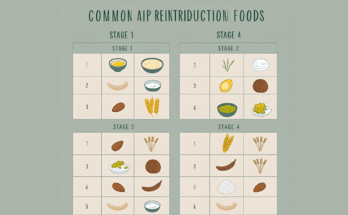
Are you ready to start the AIP Reintroduction phase? This guide will aid you in recognizing signs of readiness, plan your preparation properly and then take the first steps with confidence towards the most appropriate, long-term healthy diet that is autoimmune-friendly.
It is believed that the AIP (Autoimmune Protocol) diet is a potent instrument for managing the symptoms of autoimmune however, the elimination stage is just the beginning. The objective is to introduce foods carefully to make a healthy, sustainable and individualized diet. How do you tell whether you’re at the right stage? This article will take you through the indicators that show that you’re ready to enter the AIP reintroduction process What questions you should ask yourself, and the best way you can prepare for the successful transition.
Understanding the Purpose of the Reintroduction Phase
Before you start it is important to know the reason AIP the reintroduction phase is in place. The aim isn’t to be in elimination forever however, to find out what your body can tolerate. Reintroducing food items can provide valuable information and can help you gain the freedom of eating while maintaining your well-being.
Inadequately introducing food can cause the appearance of symptom flares, confusion, and depression. It’s the reason it’s crucial to be patient until the body has reached a steady condition, so that you can see the effects of each food.
Signs You’re Ready to Start the AIP Reintroduction Phase
Each person’s readiness may look different, however, some common indicators suggest you’re ready to begin your AIP reintroduction stage of the food chain:
1. Symptoms Have Stabilized
The signs of an autoimmune disorder are likely to be reduced in severity or remain stable. It can be difficult to tell if your symptoms are fluctuating. difficult to discern whether a particular food item is creating problems.
2. Improved Digestion
You should look for regular constipation with less bloating, no gas and no discomfort. Healthy gut conditions increase the likelihood of a being successful in your return.
3. Better Energy and Sleep
If you awake feeling relaxed, maintain your energy levels, and have fewer crashes, it’s an indication that your body is stronger.
4. Emotional Readiness
This stage can be a source of anxiety. Being emotionally prepared implies that you acknowledge that reactions could occur at any time, and it is your responsibility to have an action plan in place to take care of these.
5. Consistency on Elimination
You’ve adhered to the elimination phase completely for at minimum 30 to 60 days. It’s important to have an accurate foundation.
Questions to Ask Yourself Before Starting
This checklist will help you decide if it’s time for you to start your AIP reintroduction stages of food:
- Do I still experience symptoms that are not recurring?
- Am I 100% consistent with the elimination diet?
- Have I got a complete diary of symptoms or food?
- Have I done my research on the stages of Reintroduction?
- Am I mentally prepared to manage a flare?
- Do I have any support (community or practitioner plan)?
If you can answer “yes” to most of these questions, then you’re in the right position to take that next step.
How to Prepare for the AIP Reintroduction Food Stages
The preparation you do will increase your chances of success when reintroducing. Here’s how to prepare:
Start Journaling
Keep track of everything you consume, how you feel, and when symptoms arise. This will help you discern patterns when you reintroduce.
Create a Calm Environment
Avoid starting reintroductions during stressful periods. Give your body time to rest and focus on reviewing.
Plan Your Foods
Select the food(s) that you have eaten in the first stage, you wish to introduce first. Learn how to prepare them simply, and keep your meals in general plain.
Monitor and Reflect
Watch your body’s response over the course of three days following introduction of the food. Any changes in sleep, digestion, pain, skin, or mood? These indicators can help you understand what your body is telling you.
When You’re Not Ready Yet — And What to Do
If you’re not getting obvious signs that you’re in the right place, but you’re not sure, it’s fine. Every person’s timeline is unique. Here’s how you can keep on the right track:
Reassess Your Elimination Diet
Look for any hidden ingredients, cross-contamination, or uncoordinated practices that could be affecting your performance.
Begin working with a practitioner
Sometimes we require an expert’s view to find the gaps or root causes.
Support Detox and Stress
Make sure you are getting enough sleep, hydration in a relaxed and comfortable way, as well as practices that reduce stress, such as meditation journaling, writing, or taking nature walks. These are all ways to help you get towards a state of readiness.
Move Forward with Confidence
There is no need to make it to perfection. The AIP Reintroduction Phase is about figuring out the best way to work with the individual body. If you’ve made it this far in your healing journey you’ve already got the tools to take this next step.
Be patient, remain constant and approach reintroductions with interest and consideration. Your body will let you know what it needs – you just have to be open to listening. If you decide to start next week or wait for another month, be confident that you’re making progress by making one conscious decision at an moment.
FAQs
- What happens if I’m anxious about introducing food items?
That’s normal! Begin slow and remember that every test is data. If you don’t get it right now then you can try it again in the future.
2. Can I skip on later-stage food items?
It’ recommended to follow the suggested stages unless told otherwise by a doctor. Starting with foods with lower risk increases confidence and decreases the likelihood of reactions.
3. What happens if you react negatively?
Return to the foods you eliminated until your symptoms improve, then switch to a different food later. A reaction that isn’t the end of the world indicates that you are learning the needs of your body.