The allergen-friendly AIP diet can feel overwhelming at first, but it’s one of the most effective ways to identify food triggers while nourishing your body. When I started this elimination protocol to address my fatigue, bloating, and joint pain, I quickly discovered how many ‘healthy’ foods were actually causing inflammation.
Why Choosing Allergen-Friendly Foods Makes All the Difference
As soon as I began the AIP diet, I quickly discovered just how many of my “healthy” foods were actually contributing to inflammation. For example, Greek yogurt, scrambled eggs and tomatoes – staples in my cooking – all became off limits. But by eliminating these common triggers of inflammation from my diet plan, my body finally received what it needed for healing.
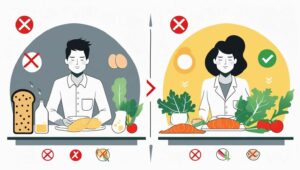
The AIP approach helps eliminate major allergens such as:
- Gluten is found in most breads and pastas, making up approximately 49% of total gluten content in foods like breads and pastas.
- Dairy (milk, cheese and yogurt) production remains at an all-time high in 2018.
- Soy (which can be found in many processed food items) is present in many processed products.
- Eggs and nuts (which are both rich sources of protein) are two popular protein sources.
- Nightshades (tomatoes, peppers and eggplants)
At first, this list seemed unworkably restrictive. As my inflammation subsided week by week, however, I began experiencing tangible benefits – my digestion improved, skin cleared up, and overall more energy throughout my day!
My Favorite Allergen-Friendly AIP Diet Foods That Taste Good
1. Vegetables That Nourish (Without the Nightshades)
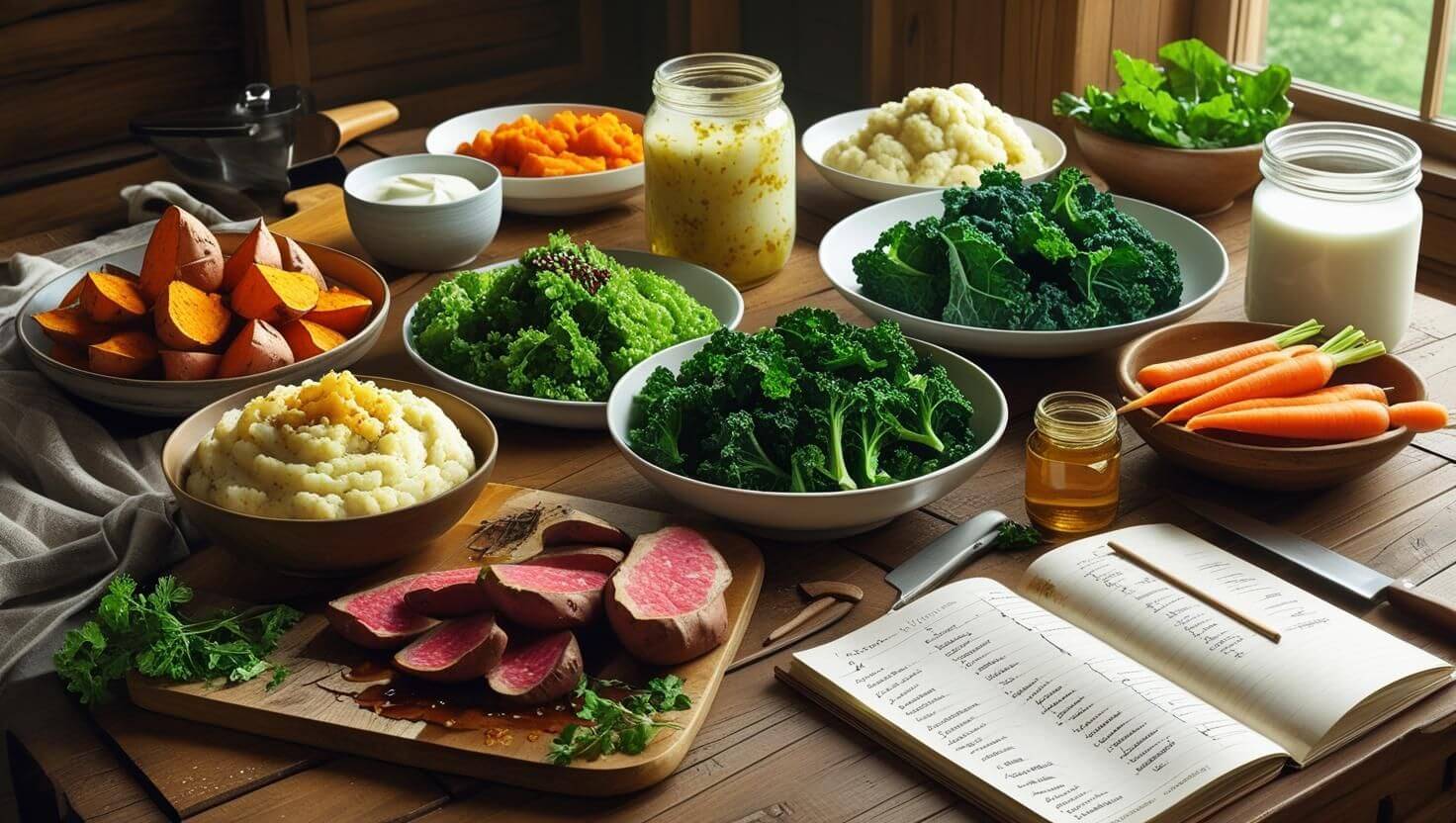
Although the transition was difficult at times, finding delicious alternatives to tomatoes and peppers proved worthwhile: I found an array of nutritious vegetables without nightshades which filled the gaps nicely:
- Roasted Sweet Potatoes with Cinnamon have quickly become my comfort food.
- Mashed cauliflower combined with garlic and coconut milk made an unexpectedly creamy side dish.
- Baking Kale Chips with Olive Oil was my solution for that crunchy texture that I was craving.
2. Finding High-Quality Protein Sources that Satisfy My Hunger
Locating reliable protein sources was essential. I learned:
- Dulge in grass-fed beef; its taste will thank you!
- Keep frozen wild salmon fillets handy for quick meals.
- Create large batches of chicken soup with healing bone broth in one go!
3. Healthy Fats Without Causing Inflammation
I found alternatives to nuts and dairy that did not cause inflammation:
- My morning smoothies feature coconut milk.
- Avocado oil for high-heat cooking
- Mediterranean flavours combine olives and olive oil for unforgettable Mediterranean experiences.
4. Foods to Heal My Gut
Fermented foods quickly became my go-to remedy: they became my arsenal for combatting digestive issues.
- Homemade sauerkraut (it’s easier than you think!)
- Coconut yogurt served with honey drizzle.
- Ginger-carrot fermentation for digestive support
Practical Advice From My AIP Kitchen
After three months on an AIP diet, here’s what’s made my life simpler:
- Meal prepping Sundays have saved my sanity in those hectic work weeks.
- Investment in high quality storage containers will keep food fresh.
- Finding AIP-friendly restaurants was crucial when I needed a break, enabling me to take breaks when necessary.
My biggest shock? How my tastebuds changed. Foods I once hated (such as liver) became tolerable and eventually enjoyable when prepared properly.
Is It Worth It? My Personal Experience
Yes! Although initially challenging, waking up without joint pain after years was amazing; seeing my skin clear up after decades of issues was astonishing; AIP has taught me that what we eat directly impacts how we feel.
If you are considering this approach, my advice would be:
- Start slowly – don’t attempt to implement changes all at once.
- Locate a support community (online groups were particularly beneficial).
- Celebrate small victories – like when you find an AIP recipe you love – as milestones towards reaching your goals.
Remember this isn’t about perfection – rather, it’s about discovering which foods support your body in its efforts to thrive. Once you find allergen-friendly options that work for you, the benefits go well beyond avoiding symptoms – they could just rekindle what truly feeling healthy is all about!
Frequently Asked Questions
Q1: When did you begin to notice changes?
A: My digestion started improving almost immediately, while full inflammation reduction took about 6 weeks.
Q2: Which food was most difficult for you to give up?
A: Cheese was definitely my biggest struggle! However, nutritional yeast really helped curb my cravings.
Q3: Have You Noticed Any Benefits From this Change?
A: My seasonal allergies almost completely vanished as an unexpected benefit!
This journey taught me that following an AIP diet doesn’t mean restricting myself – instead, it means finding delicious food that makes my body happy! Each adjustment was worth every bit of hard work I put in to making this change a success.